Choosing Your First Guitar: A Beginner’s Guide to Finding the Right Instrument

Updated: Sep 20
Buying your first guitar is an exciting step in your musical journey. Whether you have always wanted to learn your favorite songs, start writing your own music, or simply explore a new creative outlet, choosing the right instrument can make a huge difference in your experience as a beginner guitarist.
With so many different types of guitars, brands, sizes, and styles available, the process can feel overwhelming. Many new players wonder:
Should I buy an acoustic or electric guitar?
How much should I spend on my first guitar?
What size guitar is right for me?
Do I need expensive equipment to get started?
What features actually matter for a beginner?
The good news is that choosing your first guitar does not have to be complicated. The best guitar for you is the one that feels comfortable, inspires you to practice, and matches the type of music you want to play.
In this guide, we’ll cover the most important things to consider when choosing your first guitar.
Start With the Music You Want to Play
One of the most important questions to ask before buying a guitar is:
What kind of music do you want to play?
Your musical goals should influence the type of guitar you choose.

If you want to play:
Rock
Metal
Blues
Jazz
Pop
Alternative music
an electric guitar may be a great choice.

If you are interested in:
Folk music
Singer-songwriter styles
Country
Acoustic pop
Classical guitar
an acoustic guitar may be a better fit.
That being said, there are no strict rules. Great musicians have created amazing music on every type of guitar. The most important thing is choosing an instrument that motivates you to pick it up and play.
Acoustic vs. Electric Guitar: Which Is Better for Beginners?
One of the biggest decisions beginners face is choosing between an acoustic and electric guitar. Both have advantages, and neither is automatically better for learning.
Acoustic Guitar

An acoustic guitar produces sound naturally through its hollow body, meaning you do not need an amplifier or additional equipment to play.
Advantages of acoustic guitar:
Simple setup—just pick it up and play
Great for learning chords and rhythm
Portable and easy to practice anywhere
Helps develop strong fretting and strumming habits
Potential challenges:
Some acoustic guitars have thicker strings and higher action, making them harder for beginners to play
The larger body size may be uncomfortable for younger players or people with smaller frames
Steel-String vs. Nylon-String Acoustic Guitars
When choosing an acoustic guitar, beginners should also consider the type of strings the instrument uses. Acoustic guitars generally come in two main varieties: steel-string guitars and nylon-string guitars. While both can be great choices, they are designed for different playing styles and produce very different sounds.
Steel-String Acoustic Guitar

Steel-string acoustic guitars are the most common type of acoustic guitar and are used in many popular styles of music, including:
Folk
Rock
Country
Pop
Singer-songwriter music
Blues
They use metal strings, which produce a brighter, louder, and more powerful sound. Steel-string guitars are a great choice for beginners who want to learn common chord-based playing, strumming patterns, and songs they hear on the radio.
Advantages of steel-string acoustic guitars:
Bright, clear tone that works well for many genres
Excellent for learning chords and strumming
Commonly used in popular music
Easy to find songs and lessons for this style of guitar
Potential challenges:
Steel strings can feel uncomfortable on beginners’ fingertips at first
Some guitars may have higher string tension, making fretting notes more difficult if the instrument is not properly set up
Nylon-String Acoustic Guitar (Classical Guitar)

Nylon-string guitars, often called classical guitars, use nylon strings instead of steel strings. They produce a warmer, softer tone and are commonly used for:
Classical music
Flamenco
Latin guitar
Fingerstyle guitar
Some folk and acoustic styles
Nylon-string guitars typically have a wider neck, which gives more space between the strings and can make certain techniques easier for some players.
Advantages of nylon-string guitars:
Softer strings that may feel more comfortable for beginners
Warm, mellow tone
Excellent for developing fingerstyle technique
Great for learning classical guitar fundamentals
Potential challenges:
Wider neck may feel less familiar for beginners
Not typically used for many rock, pop, or country styles
Nylon strings do not produce the same bright sound associated with most popular acoustic guitar recordings
Which Acoustic Guitar Is Better for Beginners?
The best choice depends on the type of music you want to play.
Choose a steel-string acoustic guitar if you want to play:
Popular songs
Rock and pop music
Folk and country
Strumming-based guitar
Choose a nylon-string guitar if you are interested in:
Classical guitar
Fingerstyle playing
A softer, more traditional guitar sound
Learning classical technique
Neither option is better—each instrument develops different skills and musical approaches. The most important factor is choosing a guitar that matches your musical goals and makes you excited to practice.
Electric Guitar
Electric guitars use pickups and an amplifier to create sound. They are commonly used in rock, blues, jazz, pop, and many other styles.

Advantages of electric guitar:
Easier to press the strings because of lighter string tension
Easier for beginners to learn bends and lead guitar techniques
Many different sounds can be created with effects and amplifiers
Great for players interested in rock, blues, jazz, and modern styles
Potential challenges:
Requires additional equipment like an amplifier and cable
Beginners may focus too much on sound effects instead of developing technique
What Size Guitar Should I Buy?
Guitars come in different sizes, and finding the right fit is important.
For most teenagers and adults, a standard full-size guitar will work well. However, younger players may benefit from smaller instruments.
Common guitar sizes include:

Full-size guitar
Best for:
Teenagers
Adults
Most beginner players
3/4-size guitar
Best for:
Younger children
Players with smaller hands
Those who find full-size guitars uncomfortable
A guitar should feel comfortable to hold. If the instrument feels too large or difficult to play, beginners may become frustrated and practice less.
How Much Should You Spend on Your First Guitar?
You do not need to spend thousands of dollars to get a quality beginner guitar. However, buying the cheapest guitar available is usually not the best choice.
Very inexpensive guitars may have problems such as:
Difficult-to-press strings
Poor tuning stability
Uneven frets
Uncomfortable necks
These issues can make learning harder than it needs to be.
A good beginner guitar is often found in the range of:
$150–$300: Solid beginner options
$300–$600: Higher-quality instruments that can last for many years
The goal is to find a guitar that is affordable but still enjoyable to play.
New Guitar vs. Used Guitar
Both new and used guitars can be great choices for beginners.
Buying New
Advantages:
No previous damage or wear
Often includes a warranty
Easier for beginners who do not know what problems to look for
Buying Used
Advantages:
Often better value
Higher-quality guitars may be available at lower prices
Many guitars hold their value well
If buying used, it helps to have an experienced guitarist inspect the instrument before purchasing.
Important Features to Look For in a Beginner Guitar
When choosing your first guitar, focus less on brand names and more on how the instrument feels.
Look for:
Comfortable Neck
The neck should feel comfortable in your hand and should not require excessive effort to play.
Good Action
Action refers to the distance between the strings and the fretboard.
If the action is too high:
Chords become harder to play
Your fingers may hurt more
Beginners may become discouraged
Stable Tuning
A guitar that constantly goes out of tune can make practicing frustrating.
Quality Construction
A well-built guitar will usually:
Sound better
Stay in tune longer
Be easier to play
Do I Need Accessories With My First Guitar?
A few basic accessories will make learning easier.
Recommended beginner accessories include:
Guitar tuner

Keeping your guitar in tune is essential for developing your ear.
If you’ve never tuned your guitar before, check out our video on how to tune your guitar for a step-by-step guide:
Picks

Even fingerstyle players should experiment with picks to develop different techniques.
Guitar strap

Useful for playing while standing.
Extra strings
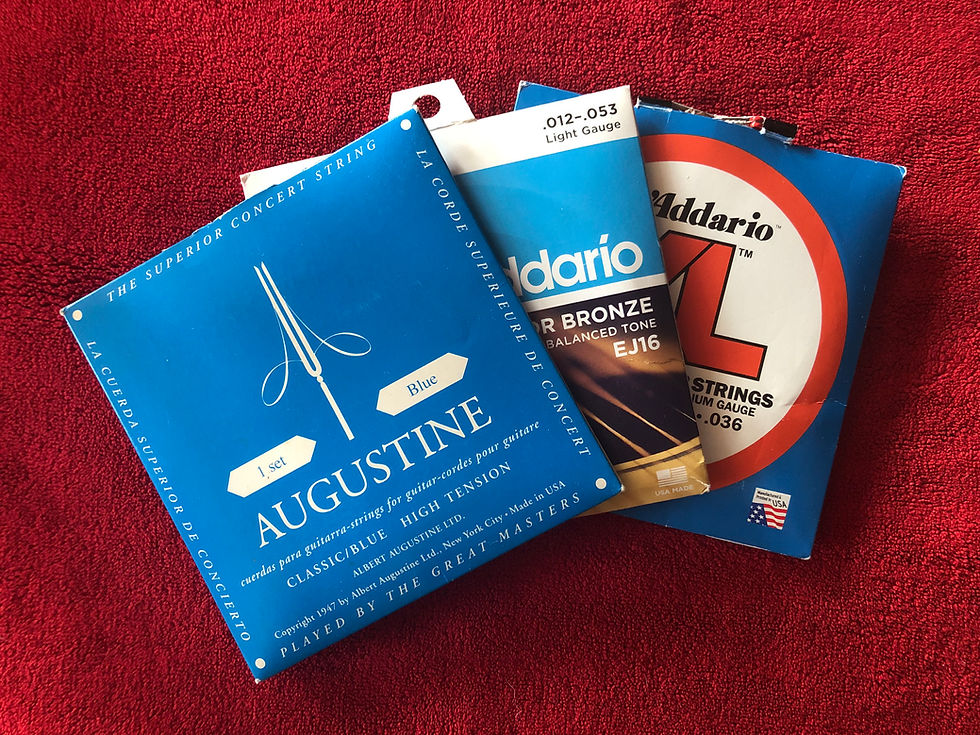
Strings eventually break and need to be replaced.
Guitar stand or case


Protect your instrument and keep it easily accessible.
Should I Learn on the Guitar I Want to Play Long-Term?
Absolutely. Many beginners think they need to start on a “beginner guitar” and upgrade later. While inexpensive starter instruments can be useful, choosing a guitar that inspires you to play is often more important.
If you love the look, sound, and feel of your guitar, you are more likely to practice consistently—which is the biggest factor in improving.
Common Mistakes Beginners Make When Buying a Guitar
Choosing Based Only on Appearance
A beautiful guitar is great, but comfort and playability matter more.
Buying Too Cheap
A poorly made instrument can slow your progress.
Ignoring Setup
Even a good guitar may need a professional setup to make it easier to play.
Buying Without Trying It
If possible, hold the guitar before buying it. Every player’s hands and preferences are different.
Can a Guitar Teacher Help Me Choose My First Guitar?
Yes. A guitar teacher can help you choose an instrument that fits your goals, playing style, and budget. They can also help you avoid common beginner mistakes and make sure your guitar is properly set up.
Starting with the right instrument creates a better learning experience and helps you build confidence from the beginning.
Final Thoughts: Choose the Guitar That Makes You Want to Play
The best first guitar is not necessarily the most expensive one or the one with the most features. It is the instrument that feels comfortable, sounds inspiring, and encourages you to practice.
Whether you choose acoustic or electric guitar, remember that the guitar itself is only the beginning. Developing your skills comes from consistent practice, learning songs, understanding music, and enjoying the process of making music.
If you are ready to begin your guitar journey, the most important step is simple:
Pick up the guitar and start playing.
What's Next?
Now that you know how to choose the right guitar, you're ready to learn the fundamentals of playing.
The next step is getting familiar with your instrument by learning proper posture, tuning, the names of the strings, and the basic skills every guitarist needs before playing their first chords.
👉 Continue to Step 2: The Basics
Frequently Asked Questions (FAQs)
What is the best guitar for a beginner?
The best beginner guitar is one that feels comfortable, stays in tune, and matches the style of music you want to play. Both acoustic and electric guitars can be excellent choices for beginners.
Should a beginner start with acoustic or electric guitar?
Neither is automatically better. Acoustic guitars are great for simplicity and rhythm playing, while electric guitars are often easier physically and are ideal for rock, blues, jazz, and lead guitar.
How much should I spend on my first guitar?
A quality beginner guitar usually costs between $150 and $600. Spending slightly more can often provide a better playing experience and encourage continued practice.
Is a smaller guitar easier for beginners?
A smaller guitar may be easier for younger players or people with smaller hands, but most teens and adults can comfortably learn on a full-size guitar.
How do I know if a guitar is good quality?
A good beginner guitar should feel comfortable, stay in tune, have comfortable string height, and produce a clear sound without requiring excessive effort to play.
Can I teach myself guitar after buying my first instrument?
Many people begin learning independently, but lessons can help you develop proper technique, avoid bad habits, and progress more efficiently.


Comments